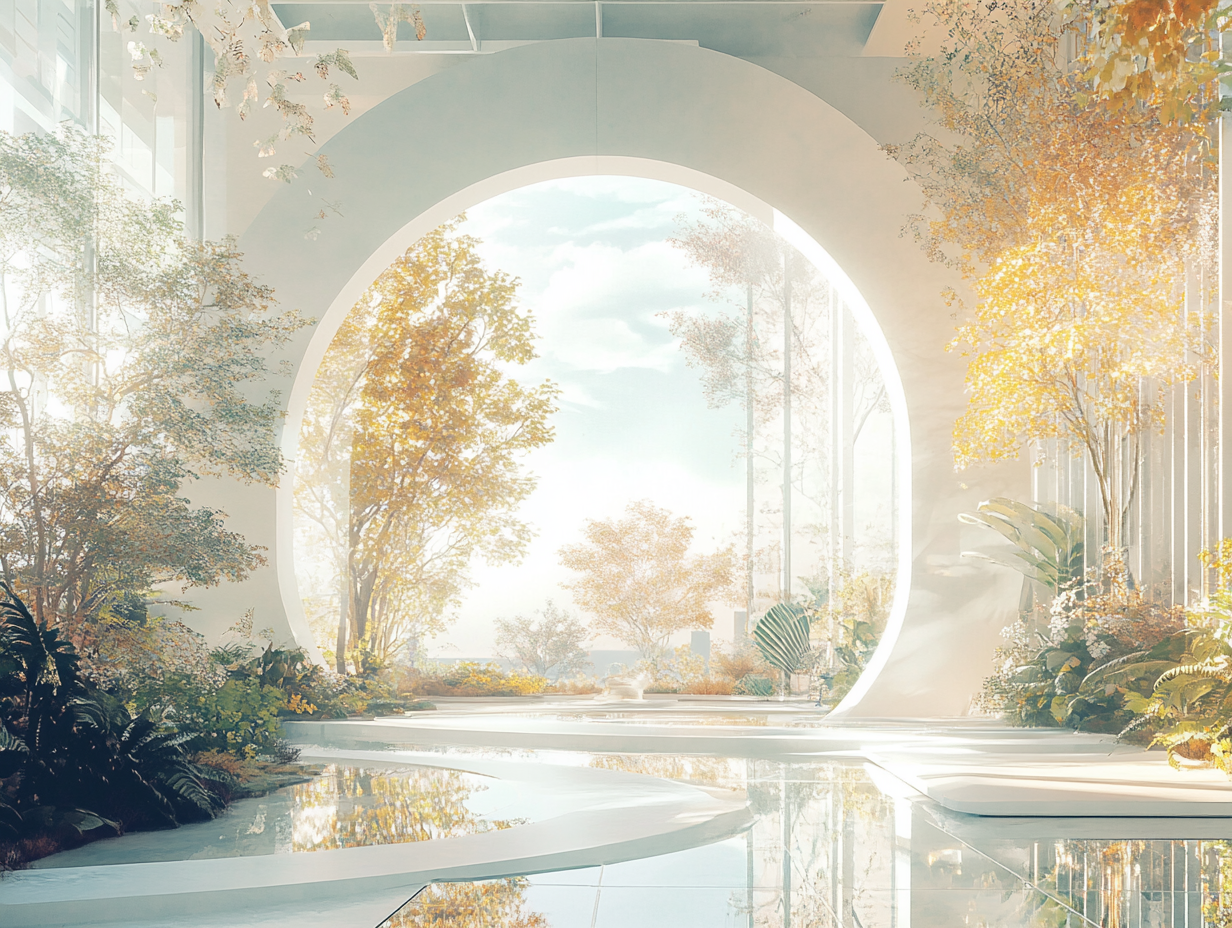
Biophilic design is an architectural and interior design philosophy that integrates natural elements, patterns, and experiences into built environments. The concept stems from the theory of biophilia, introduced by Edward O. Wilson, which suggests that humans possess an inherent desire to connect with nature and living systems.
Rather than simply adding plants to a space, biophilic design creates meaningful interactions between people and nature through light, vegetation, water, materials, and spatial experiences.
Why Biophilic Design Matters
As cities grow denser and lifestyles become increasingly digital, the disconnect from nature can impact mental and physical well-being. Research has shown that exposure to natural environments can reduce stress, improve concentration, enhance creativity, and promote overall health.
Architecture has the power to address this challenge by creating environments that support human well-being while also contributing to environmental sustainability.
Core Principles of Biophilic Architecture
- Natural Light and Ventilation
Daylight is one of the most important elements of biophilic design. Large windows, skylights, atriums, and open floor plans maximize access to natural light, reducing reliance on artificial lighting and creating healthier indoor spaces.
Similarly, natural ventilation improves indoor air quality and helps occupants feel more connected to outdoor environmental conditions.
- Integration of Greenery
Plants are among the most recognizable features of biophilic design. Green walls, indoor gardens, rooftop landscapes, and courtyard vegetation introduce life into buildings while improving air quality and visual comfort.
These elements create calming environments that foster relaxation and productivity.
- Use of Natural Materials
Materials such as timber, stone, bamboo, clay, and natural fibers bring warmth and authenticity to architectural spaces. Their textures, colors, and patterns evoke a sense of connection with the natural world.
Unlike synthetic finishes, natural materials often age gracefully, adding character and richness over time.
- Connection to Water
Water features such as fountains, reflecting pools, streams, and waterfalls introduce movement, sound, and visual interest into a space. The presence of water has been shown to create restorative environments that reduce stress and enhance user experience.
- Nature-Inspired Forms and Patterns
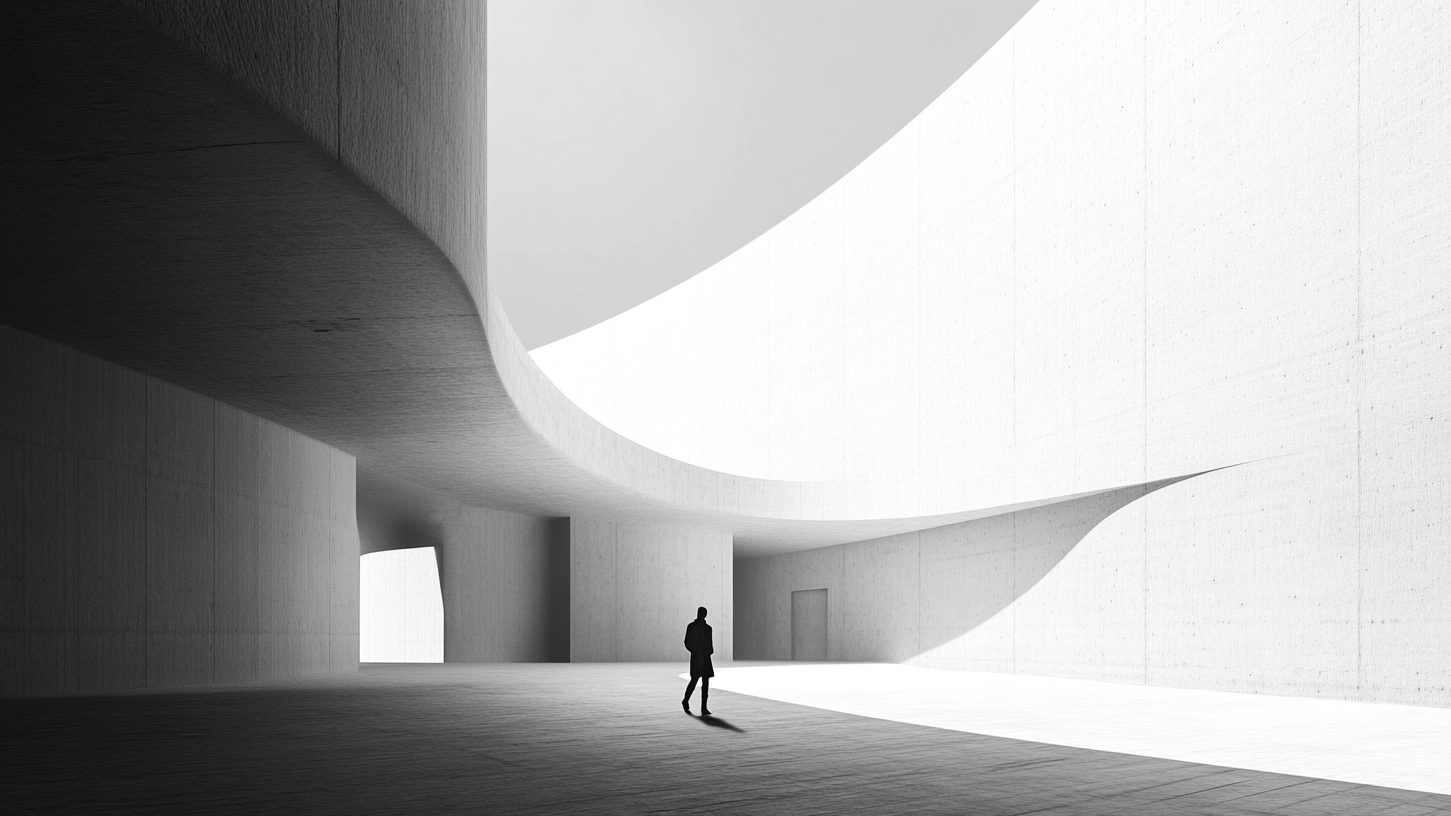
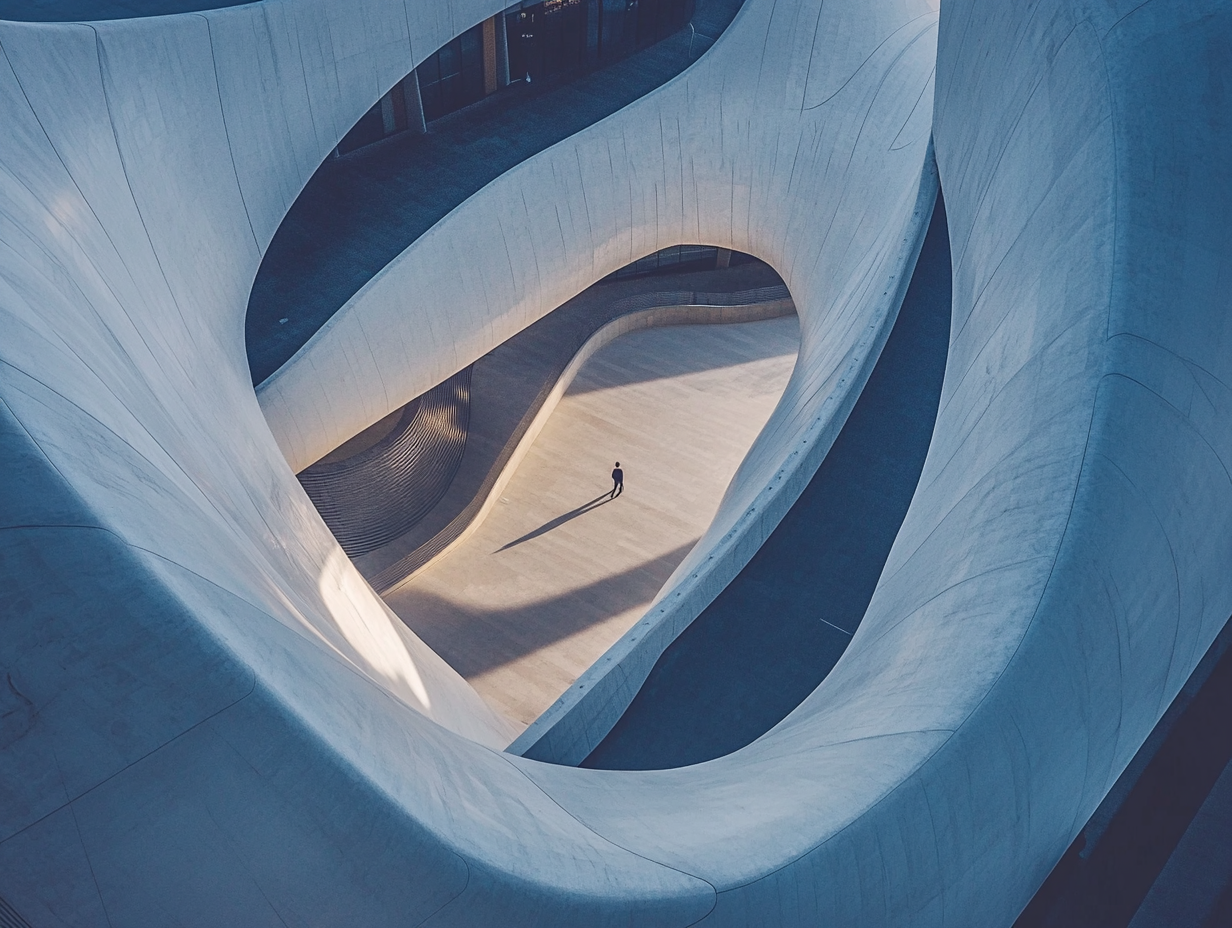
Biophilic architecture often incorporates organic shapes, fractal patterns, and biomimicry inspired by natural systems. Curved forms, leaf-like structures, and flowing spatial arrangements create environments that feel intuitive and welcoming.
Benefits of Biophilic Design
Improved Well-Being
Exposure to natural elements can lower stress levels, improve mood, and support mental health. Spaces designed with biophilic principles often feel more comfortable and restorative.
Enhanced Productivity
Studies suggest that access to daylight, greenery, and outdoor views can improve focus, creativity, and workplace performance. This is why many modern offices are embracing biophilic design strategies.
Better Physical Health
Natural ventilation, improved air quality, and access to daylight contribute to healthier indoor environments. These factors can reduce fatigue and support overall wellness.
Sustainable Architecture
Biophilic design often aligns with sustainable building practices. Features such as green roofs, passive cooling, daylight harvesting, and natural ventilation help reduce energy consumption and environmental impact.
Inspiring Examples Around the World
Several landmark projects demonstrate the successful application of biophilic design principles:
- Bosco Verticale – Residential towers featuring thousands of trees and plants integrated into their façades.
- Jewel Changi Airport – A remarkable indoor ecosystem with lush gardens and a spectacular waterfall.
- Khoo Teck Puat Hospital – A healthcare facility designed around extensive landscaping and ecological integration.
The Future of Architecture
As architects and designers confront challenges such as climate change, urbanization, and declining well-being, biophilic design offers a powerful framework for creating healthier and more resilient spaces. It reminds us that architecture is not merely about constructing buildings—it is about shaping environments that nurture human life.
The future of architecture lies not in separating people from nature but in weaving nature into the fabric of everyday life. Through biophilic design, buildings can become living environments that inspire, heal, and sustain both people and the planet.
“Biophilic design is more than a trend; it is a return to humanity’s timeless relationship with nature, expressed through architecture that supports well-being, sustainability, and meaningful living.”