
The Design Discourse was founded on the belief that architecture extends beyond the walls we build. It is a conversation between people and places, between culture and innovation, between aspirations and realities. Every space tells a story, and every design decision carries the potential to shape experiences, communities, and futures. This…

Delhi’s pollution is often described through statistics—PM2.5 concentrations, vehicle emissions, construction dust, industrial activity, and seasonal changes in air quality. Yet pollution is more than an environmental statistic. It has become part of the everyday experience of the city, influencing how people move, work, gather, and interact with public space.…
Architecture has always been more than the creation of physical structures. At its core, it is the shaping of human experiences. Every space we inhabit influences how we feel, interact, work, heal, learn, and belong. Human-centric design recognizes this fundamental relationship between people and the built environment, placing human needs,…
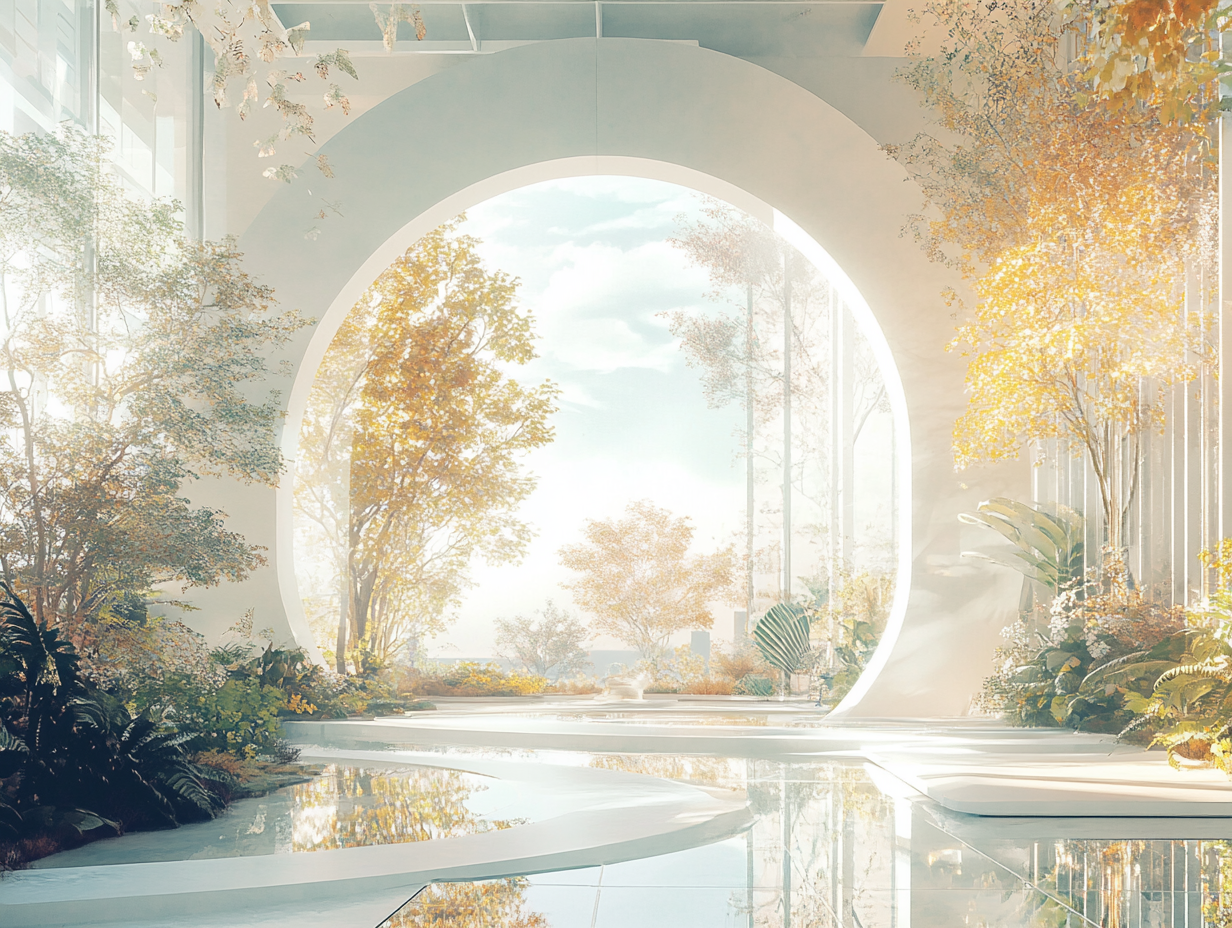
Biophilic design is an architectural and interior design philosophy that integrates natural elements, patterns, and experiences into built environments. The concept stems from the theory of biophilia, introduced by Edward O. Wilson, which suggests that humans possess an inherent desire to connect with nature and living systems. Rather than simply…