Human-Centric Design: Architecture for Life, Not Just Buildings
/
/
Human-Centric Design: Architecture for Life, Not Just Buildings

Human-Centric Design: Architecture for Life, Not Just Buildings

Architecture has always been more than the creation of physical structures. At its core, it is the shaping of human experiences. Every space we inhabit influences how we feel, interact, work, heal, learn, and belong. Human-centric design recognizes this fundamental relationship between people and the built environment, placing human needs, aspirations, and well-being at the center of the design process.

What is Human-Centric Design?

Human-centric design is an approach that prioritizes the people who will ultimately use and experience a space. Rather than beginning with form, style, or technology, it starts with understanding human behavior, emotions, routines, and cultural contexts.

It asks simple yet profound questions:

  • How will people move through this space?
  • What emotions should the environment evoke?
  • How can the design improve comfort, health, and productivity?
  • Does the space foster connection, inclusivity, and belonging?

The answers guide the design process, ensuring that architecture serves people rather than requiring people to adapt to architecture.

Beyond Functionality

A well-designed building does more than fulfill functional requirements. It responds to the psychological and emotional dimensions of human life.

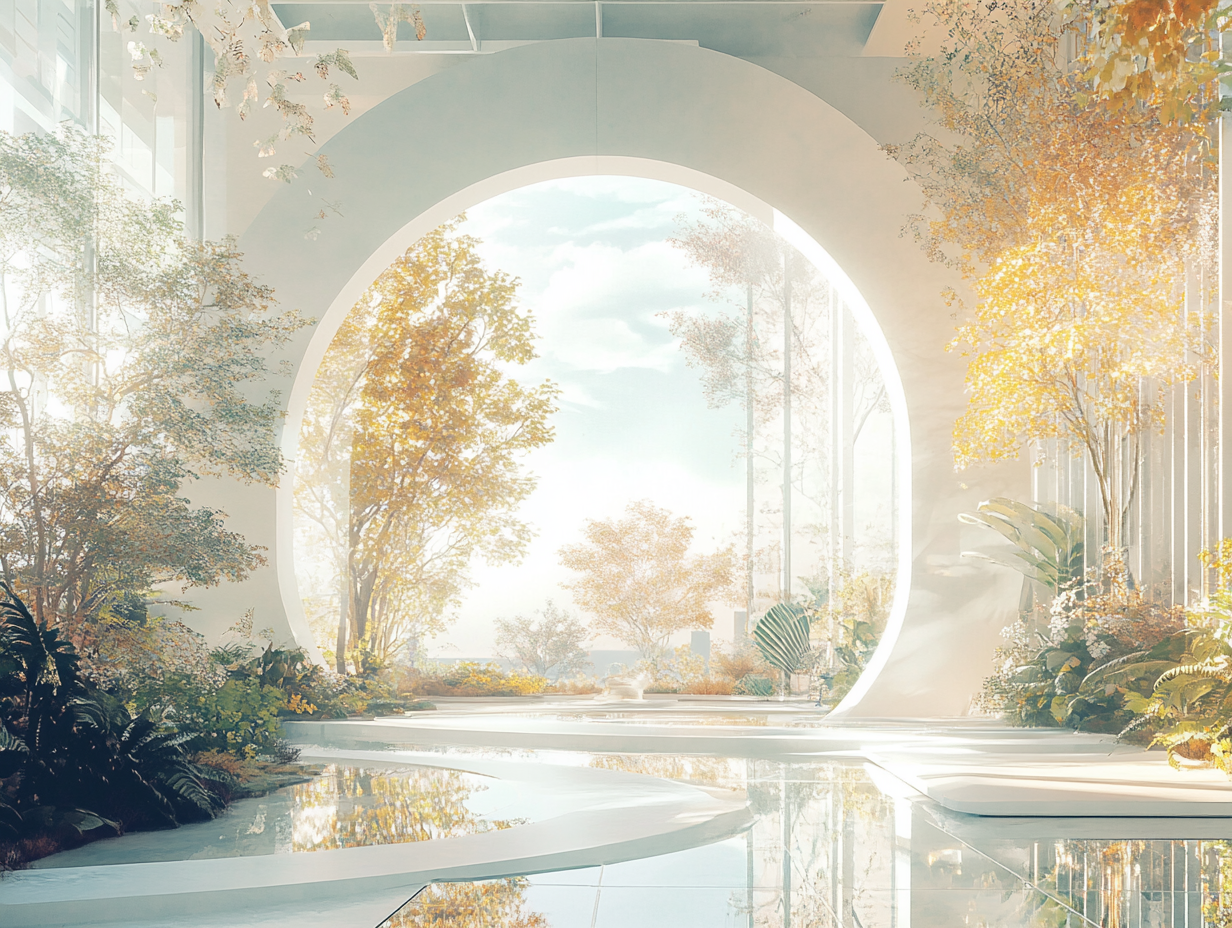
Natural daylight, for example, enhances mood and productivity. Access to nature reduces stress and improves mental well-being. Thoughtful spatial organization can encourage social interaction while also providing opportunities for privacy and reflection.

When architecture balances functionality with emotional intelligence, spaces become meaningful rather than merely efficient.

Designing for Well-Being

The growing emphasis on wellness in architecture reflects a broader understanding of how environments affect human health.

Human-centric design incorporates:

Natural Light

Daylight supports circadian rhythms, improves focus, and creates uplifting interiors.

Thermal Comfort

Spaces that maintain comfortable temperatures contribute to both physical and mental well-being.

Air Quality

Proper ventilation and material selection promote healthier indoor environments.

Acoustic Comfort

Managing noise levels helps create spaces that support concentration, relaxation, and meaningful interaction.

Connection to Nature

Biophilic design principles integrate natural elements, fostering a deeper sense of calm and restoration.

These considerations transform buildings from shelters into environments that actively support human flourishing.

Inclusivity as a Design Principle

Human-centered architecture acknowledges the diversity of human experiences.

Designing inclusively means considering people of different ages, abilities, backgrounds, and needs from the outset. Universal accessibility should not be viewed as an additional feature but as an essential component of good design.

When spaces are designed for everyone, they become more welcoming, equitable, and resilient.

Understanding Context and Culture

People do not experience architecture in isolation. Every project exists within a cultural, social, and environmental context.

Human-centric design embraces local identity, traditions, climate, and community values. It seeks to create places that feel authentic and rooted rather than generic and disconnected.

Architecture becomes meaningful when it reflects the stories, memories, and aspirations of the people it serves.

The Role of Empathy in Design

Empathy is perhaps the most important tool in a designer’s toolkit.

Listening to users, engaging communities, observing behavior, and understanding lived experiences allow architects to uncover needs that may not be immediately visible. Through empathy, design becomes a process of discovery rather than assumption.

The most successful spaces often emerge not from grand gestures but from thoughtful responses to everyday human needs.

Designing for the Future

As cities grow and societal challenges become more complex, the need for human-centric design becomes increasingly important. Sustainable solutions, adaptable spaces, and resilient communities all begin with a deep understanding of people.

Architecture must continue to evolve beyond aesthetics and efficiency toward a more holistic vision—one that prioritizes health, dignity, connection, and purpose.

Conclusion

Human-centric design reminds us that architecture is ultimately about people. Buildings may be constructed from concrete, steel, timber, and glass, but their true purpose lies in supporting human life.

When architects design with empathy, curiosity, and a genuine understanding of human needs, spaces become more than structures. They become places where people can thrive, connect, and find meaning.

At The Design Discourse, we believe that great architecture begins not with buildings, but with people. Every successful design is, first and foremost, a response to the human experience.

Share this post

There are no comments

Leave a Reply

Your email address will not be published. Required fields are marked *

Start typing and press Enter to search

Shopping Cart

No products in the cart.

/*wpsi_fa907744*/